Creator content has become a major part of paid social, changing how brands think about who delivers the message and how audiences respond to it. Creators already understand the people they speak to and the conventions of the platforms they use, giving brands access to established audiences in a voice that feels natural to the environment.
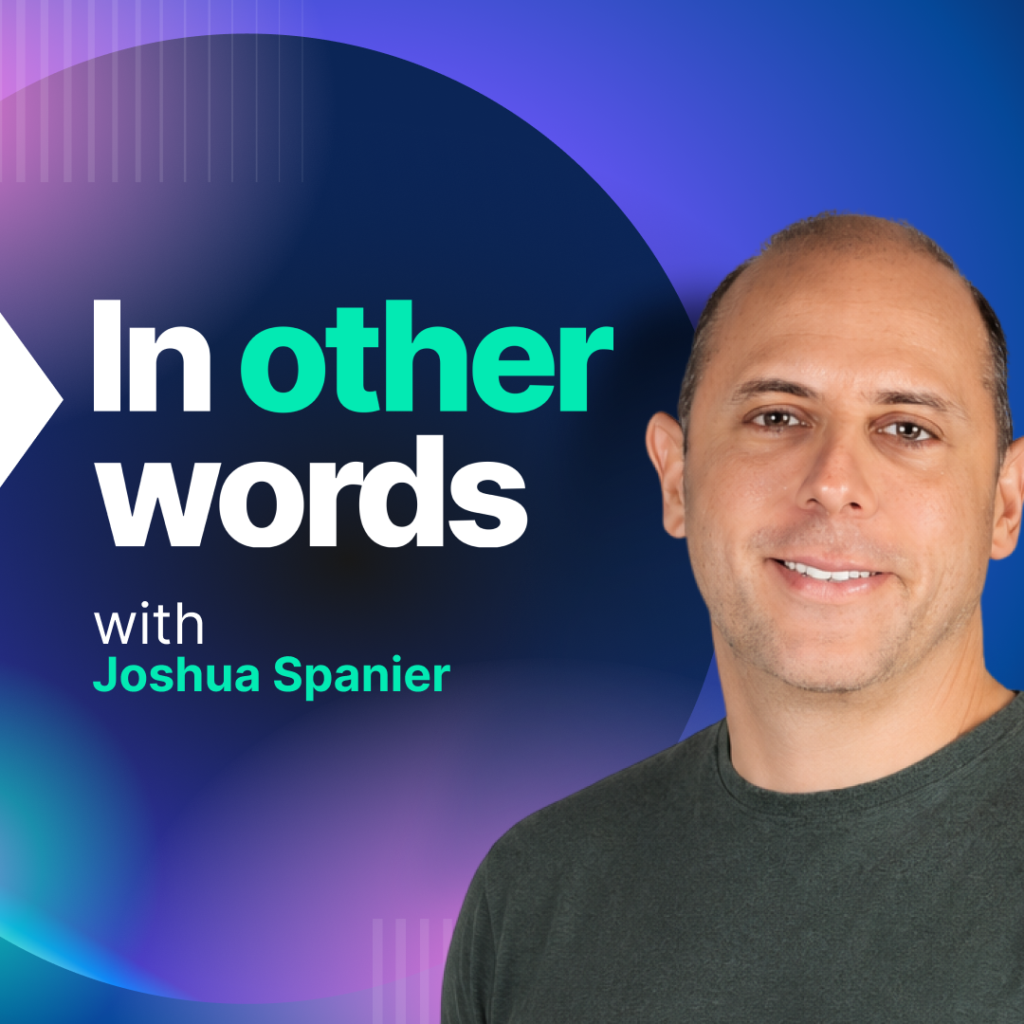
Google has been examining how creator content works alongside product advertising in its own paid social strategy. Joshua Spanier, VP of AI and Marketing Strategy at Google, describes the approach as a two-voice model. His team found that each format performed well on its own, with significantly stronger results when the two ran together.
That finding sits alongside a wider industry tension. Zappi’s 2026 analysis of more than 3,300 social video ads found that genuine creator content performed strongly on distinctiveness, while polished brand advertising delivered stronger brand connection. Its research also found that distinctive brand assets helped audiences connect the advertising more clearly with the brand.
CreatorIQ’s 2026 research shows how significant creator content has become within paid media. It now accounts for 44% of paid media creative assets on average among the marketers surveyed, with 77% saying it outperformed traditional branded creative.
How the two-voice model works
Joshua has spoken openly about Google’s paid social performance. When the company examined its results, less than 7% of paid social spend was performing effectively. The team changed how it approached social and measured performance, with the two-voice model emerging as part of that work.
“The combination of creator ads and product ads works exponentially better,” Joshua explained on the In Other Words podcast. “We tested this, we measured this in multiple markets around the world.”
The model gives creator advertising and product advertising different roles within the campaign. Creators bring an established relationship with their audience and an understanding of how to communicate on the platform. Product advertising keeps the company and its offer clearly present, giving audiences stronger signals about the brand they are seeing.
Google tested the combination across multiple markets and found that running the two voices together delivered a significant improvement. The approach became part of a wider program that helped move Google’s paid social effectiveness from below 7% to 70%.
Zappi’s research provides useful context for why the combination can work. Its study distinguishes genuine creator content from advertising produced by brands to resemble creator work. Brand-made ads that imitate creator content cannot replicate the relationship a creator already has with an audience, while genuine creator work can still be weaker on brand connection when the advertiser is not clearly recognized.
Recognizable brand assets also strengthened brand connection in Zappi’s analysis. The findings put more emphasis on understanding what each type of content contributes within the campaign and how audiences respond when those formats appear together.
Why creator investment keeps growing
Creator investment has accelerated as brands use creator content beyond awareness campaigns. CreatorIQ found that marketers are repurposing creator work across paid media and their own digital channels, with more than half integrating creator performance into the same measurement frameworks used for wider paid media activity.
That growth reflects changes in the way people use social platforms. Audiences increasingly spend time with individual creators whose content is built around established interests and communities. Working with those creators gives brands access to existing relationships and a way of communicating that already fits the platform. Joshua sees a familiar behavior in the way marketers respond when a new source of performance emerges.
“Marketers are a little herd-like. We tend to get our marching orders and then jump off the cliff together in one direction. Nothing is that straightforward.”
His point is particularly relevant as creator budgets increase. Strong results can encourage companies to extend the same approach across more of the media plan, even when different types of advertising are contributing in different ways.
Zappi’s findings show that genuine creator content performs well on distinctiveness, while polished brand advertising performs strongly on brand connection. Google’s model recognizes those different contributions and measures what happens when they work together.
For CMOs, this makes the allocation decision broader than the performance of an individual creator asset. The role of each format within the campaign and the effect it has on the other content become part of the measurement discussion.
What changes when campaigns span multiple markets
Managing that balance becomes more complex when the same campaign has to work internationally. Creator ecosystems vary between countries and audiences respond differently to the same formats. Global teams also need a consistent way to understand performance across markets.
Google operates across roughly 150 markets, and Joshua describes the company’s approach as “freedom within a framework.” Global teams establish common measurement standards and share practices that have been shown to improve results. Local teams then apply those principles according to what they know about their audiences.
“Every market in the world knows, if I do these four or five things in this general way, I’ll see better business outcomes. And then trust but verify.”
This gives local teams room to make decisions while preserving enough consistency for Google to compare performance internationally. Shared measurement also means learning from one market can inform decisions elsewhere without forcing every market to execute campaigns in exactly the same way.
Producing more market-specific content also puts greater pressure on the systems used to adapt and manage it. As the number of creator partnerships and local variations increases, teams need to retain the right brand context as content moves between languages and markets.
Wellhub encountered this challenge as its marketing expanded across Europe and the Americas. The global wellness company needed to increase multilingual marketing output while keeping the same team size.
After introducing Phrase and training Custom AI on its content and terminology, Wellhub increased multilingual content output by 77% year over year, from just under 400,000 words to more than 730,000.
Wellhub’s experience illustrates the operational demands created by market-specific marketing. Teams need to adapt a growing volume of content while maintaining the terminology and brand context that make it recognizable to customers.
For companies expanding creator programs internationally, the same issue becomes more pronounced. Different markets may use different creators and creative treatments, but the brand still needs enough consistency to understand how it is being represented.
Looking beyond individual format performance
Creator advertising is set to take a larger share of marketing budgets, with IAB forecasting US creator ad spend of almost $44 billion in 2026. The scale of that investment makes the relationship between creator work and the wider advertising mix increasingly important.
Google’s paid social improvement came through a broader reconsideration of how the channel worked, and the two-voice model was one part of that effort. It gave the company a way to assess the contribution of creator and product advertising when both were present within the campaign.
That approach also highlights a limitation in looking at formats independently. A creator ad can produce one result in isolation and contribute differently when it appears alongside product advertising. Google tested those combinations across markets and used the findings to inform how teams approached social.
Joshua’s observation that marketers can be “herd-like” is particularly relevant as more investment moves toward creators. When a format performs strongly, increasing its role can seem like the obvious response, yet its contribution may depend partly on the content surrounding it.
Google’s experience gives CMOs another way to assess the mix. Measuring creator performance alongside brand connection can show how the different parts of a campaign reinforce one another and where each format makes its strongest contribution.
Google’s experience provides a useful example because its paid social improvement came through a wider reconsideration of how the channel worked. The two-voice model was one part of that work, giving Google a way to measure the contribution of creator and product advertising when they ran together.
Watch the full conversation
At Google, VP of AI and Marketing Strategy Joshua Spanier runs integrated campaign planning across more than 150 markets. Joshua joins Jason Hemingway on In Other Words to share how Google balances global consistency with local market autonomy and why the two-voice paid social model took performance from 7% to 70%.