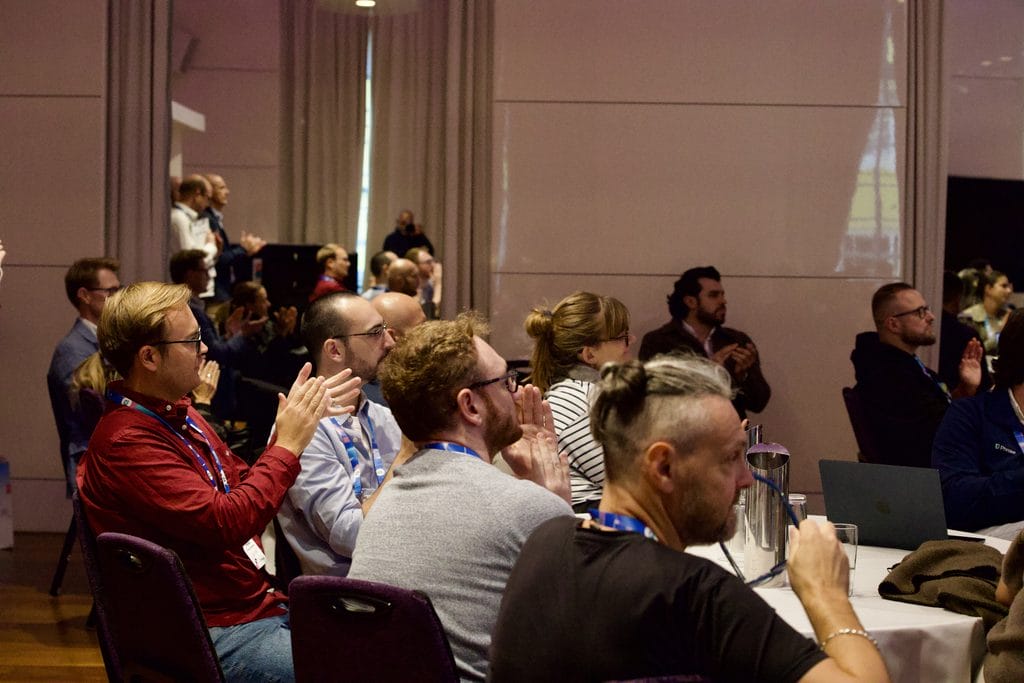
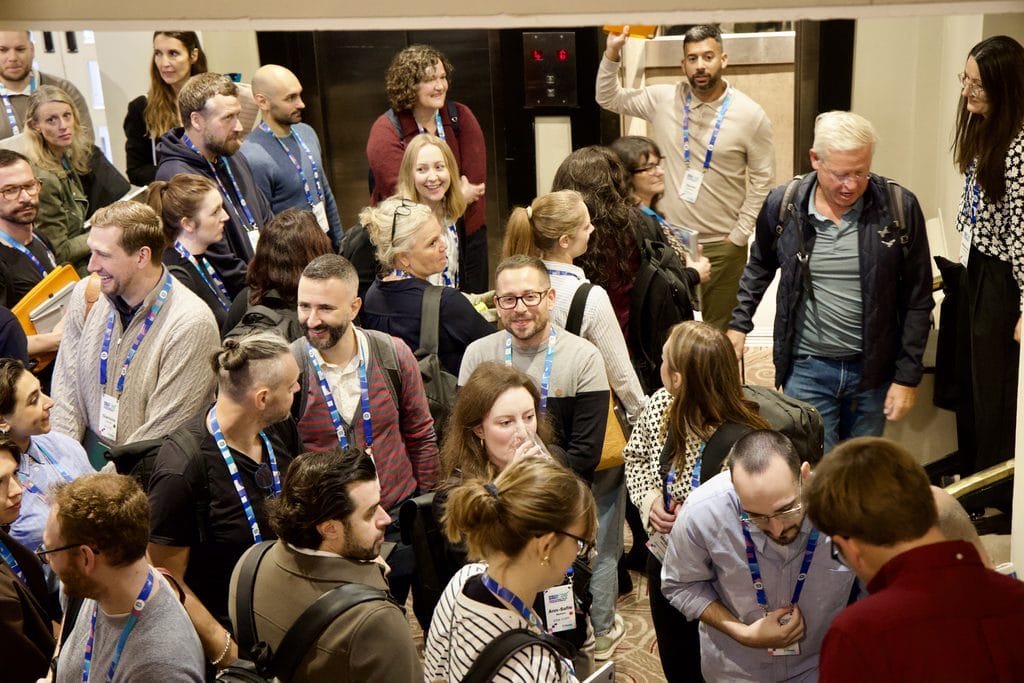
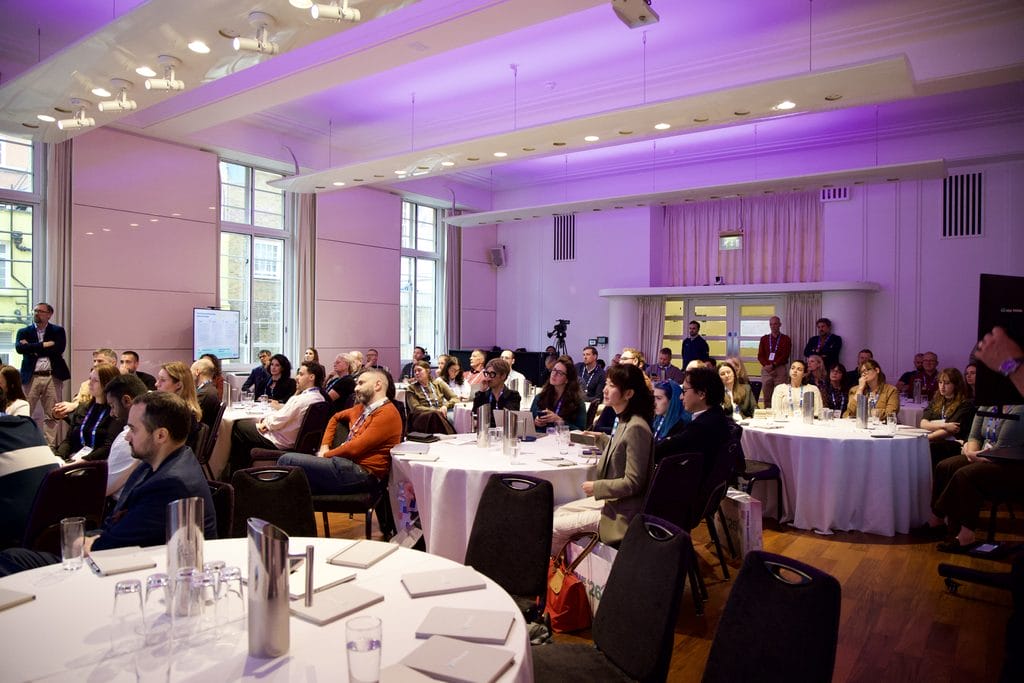
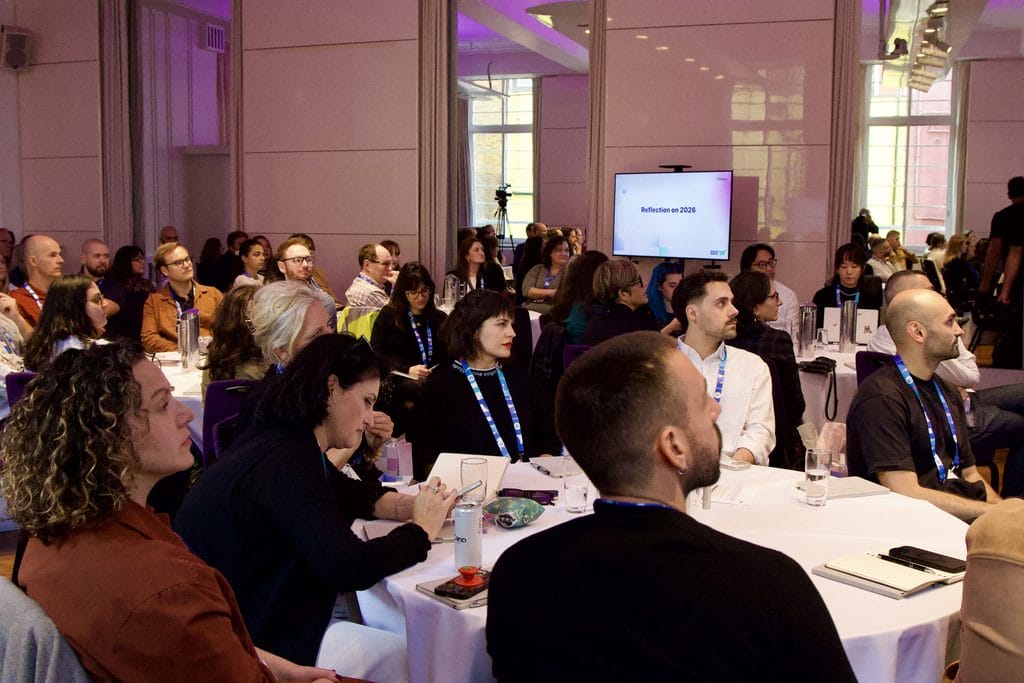
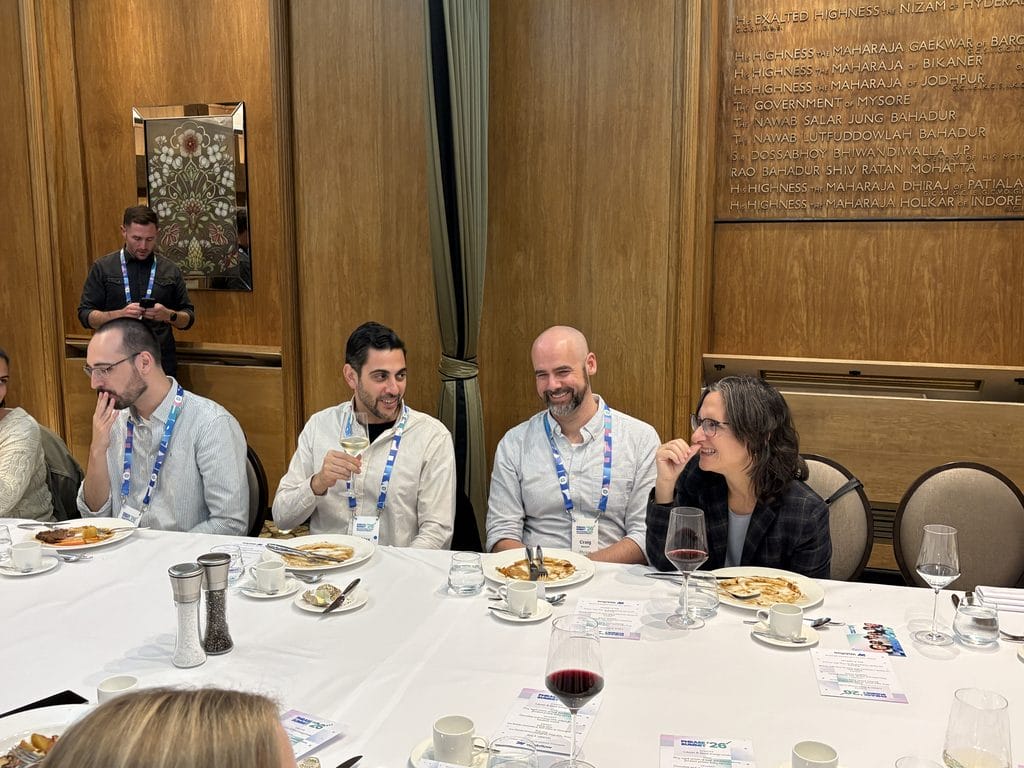
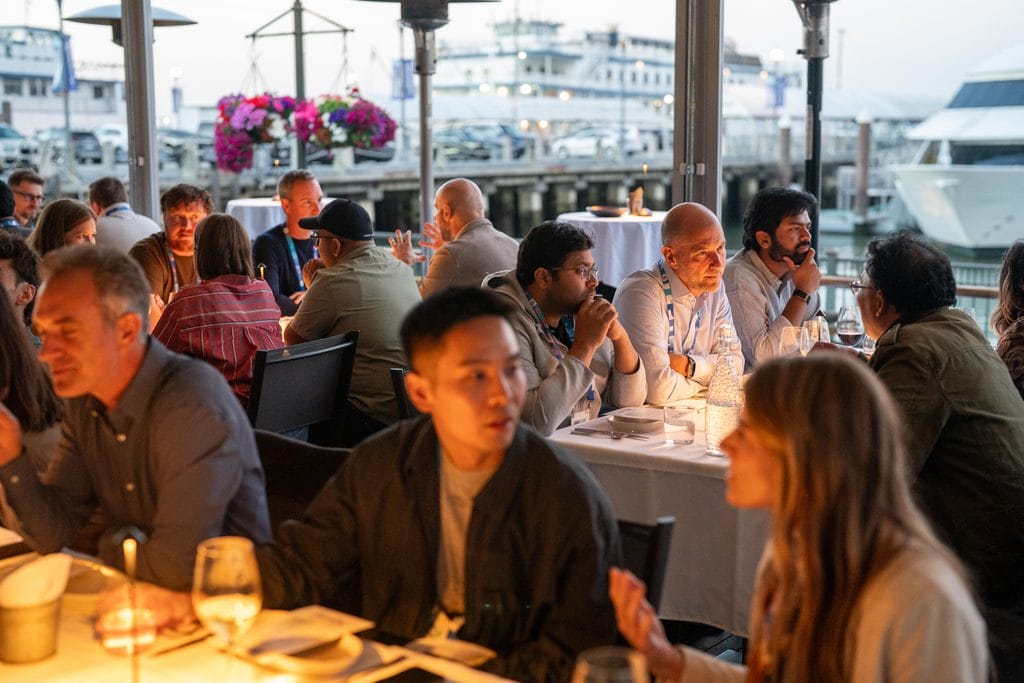
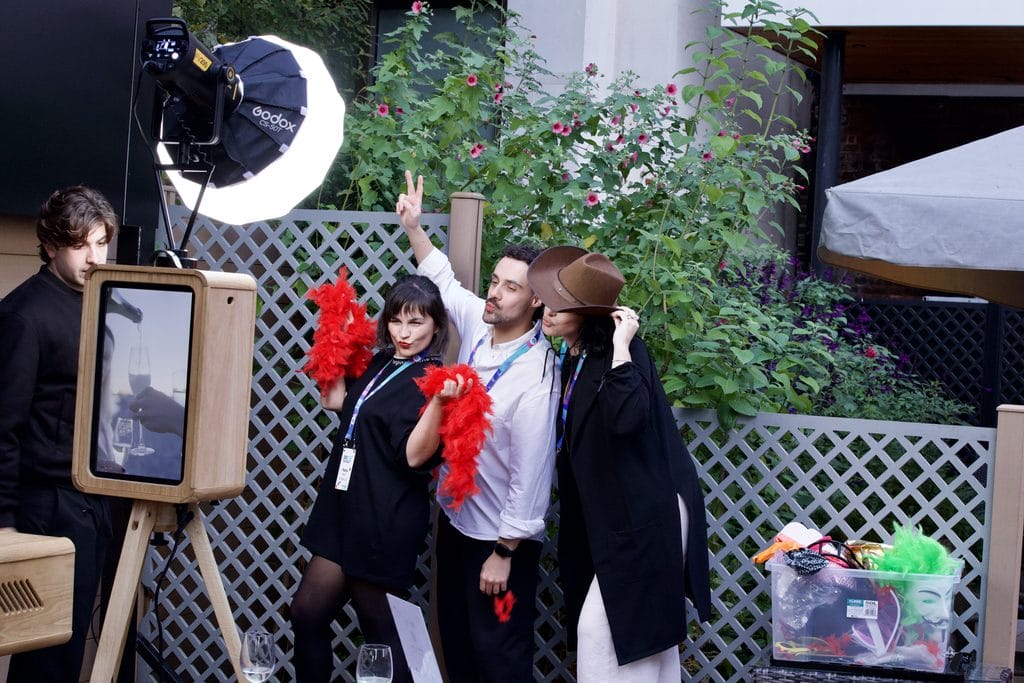
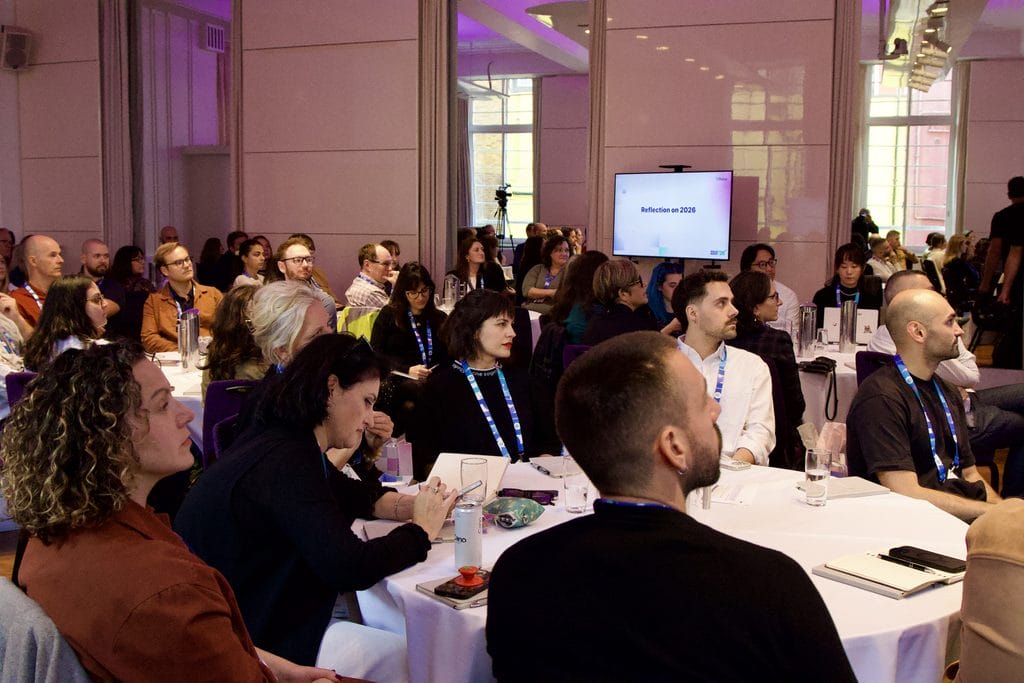
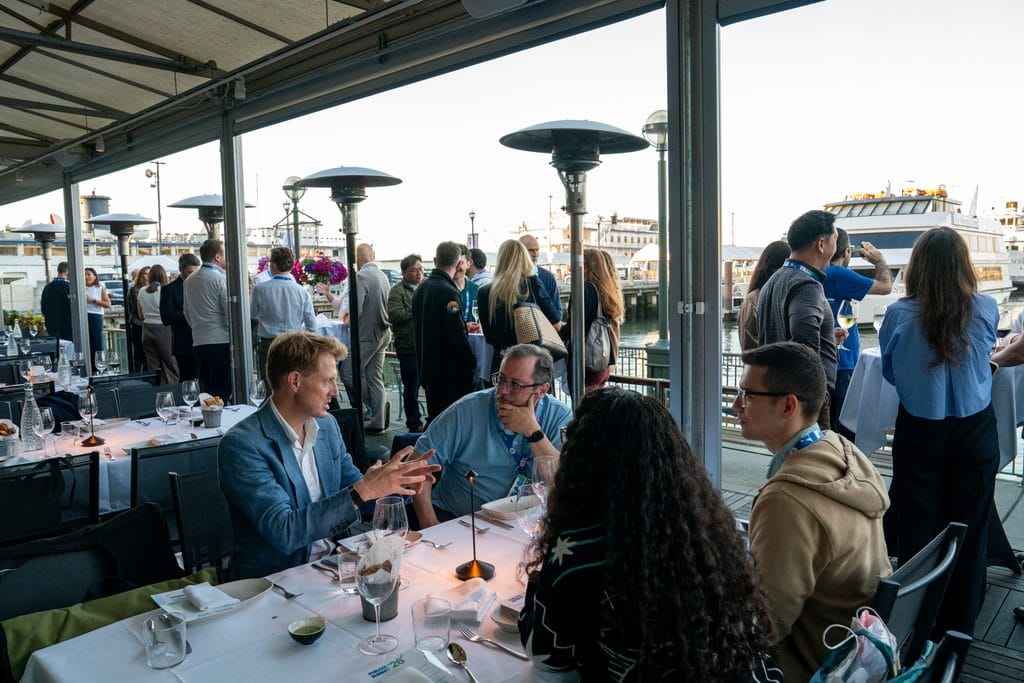
At our first Phrase Summits in San Francisco and London, enterprise leaders shared how their work is expanding as AI becomes part of everyday operations. Teams are using automation results to earn broader responsibilities, while exploring what they can build next with Phrase.
“Rather than focusing on what AI might replace, there was a lot of conversation around what we can actually build with it.”
Attendees welcomed the chance to compare experiences with peers and spend time building alongside the Phrase team.
Global content teams are managing growing volumes with tighter budgets while adapting to AI across the content lifecycle. AI has put a translate button in the hands of every employee, making translation faster and more accessible than ever. But that speed creates new challenges around governance, brand consistency, and knowing what content has been reviewed and what hasn’t. Attendees shared how they were responding to those pressures and where they were already making progress.
Here’s a roundup of what we heard, what they built, and what it tells us about where enterprise content is heading.
Teams are taking on a more strategic role
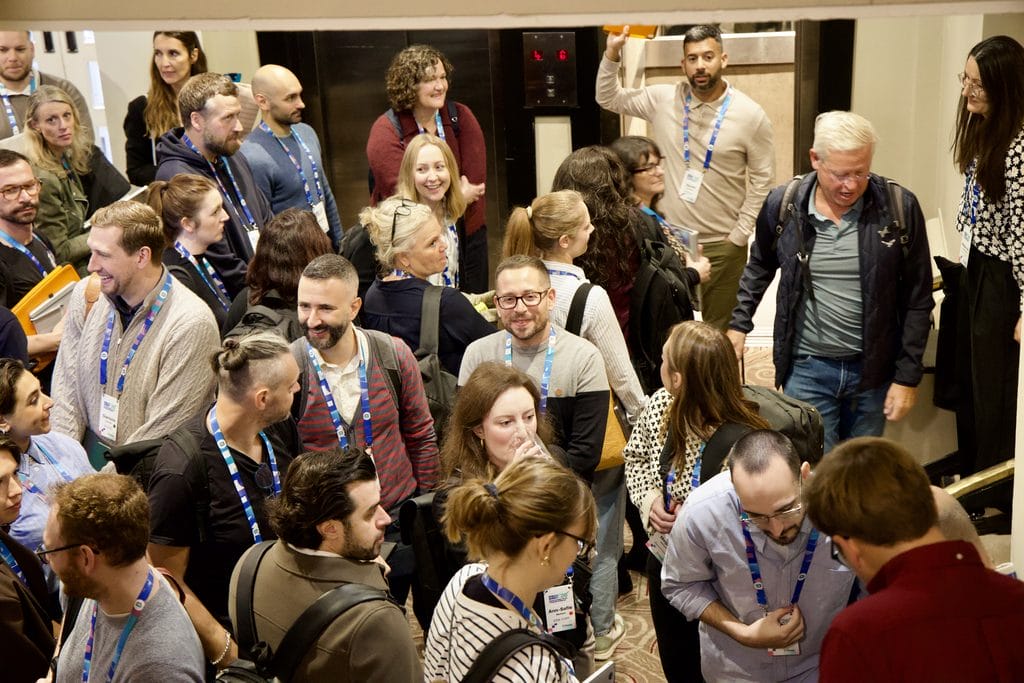


The most consistent theme across both cities was how leaders in this space are using this moment to reposition their teams inside the business. Automation results are giving them the evidence to do it. One team now describes its function as strategic innovation. Leaders are taking on process design and AI governance, drawing on their knowledge of customers and markets.
“The role of localization professionals is expanding into workflow design, governance, risk management, and shaping global customer experiences.”
As AI takes on terminology checks and platform operations, teams are also deciding where human review is needed and which decisions can be automated.
And they want these capabilities to extend beyond a single team. They see Atlas, MCP, and APIs making that possible by bringing AI capabilities into the tools colleagues already use, without requiring them to learn a traditional translation management interface. When anyone in the organization can access the platform through an AI agent or a connector to their existing tools, more teams can use these capabilities directly.
“My biggest takeaway: translation is only one part of localization.”
That feedback, shared by an attendee after the San Francisco event, reflects a broader recognition. The scope of what these leaders are responsible for has expanded well beyond translation, and the technology needs to match.
The foundations for AI-generated content


One of the more revealing conversations at both events centered on terminology databases and style guides. These linguistic assets were written for human translators. When AI uses them as context, the quality of those assets becomes more consequential. Well-maintained resources give AI clearer guidance.
Teams described the process of auditing assets they’d inherited or built over years, knowing that what worked for human workflows now needs to meet a higher standard for AI. The teams who invest in that work gain a stronger argument for their value inside the business, because those resources guide AI-generated content across the business.
Personalization was part of that conversation, too. Teams explored how AI could adapt content and interactions to individual users, making their knowledge of customers across markets increasingly valuable.
Language intelligence in production


Day 1 featured customers on stage showing how they’re already applying these ideas in production. The case studies covered a range of approaches, from teams that had rebuilt their workflows around AI to others just beginning to scale.
One team automated an entire portfolio of languages end-to-end using AI quality scoring and tiered review, reducing operational costs while building a system flexible enough to accommodate changing business priorities. They positioned their team as a strategic innovation function within the organization.
Another more than doubled their language coverage while significantly reducing costs. They replaced blanket human review with confidence-based workflows, using quality scoring, sampling, and targeted review for priority languages to maintain standards at higher volume.
A video team used Studio 2.0 to consolidate transcription, translation, subtitling, and dubbing into a single platform, replacing a process that had been running through several legacy tools. They shipped courses and event content across languages in weeks rather than months.
And the Vistatec partnership showed what it looks like when a technology platform and a language services provider work as a single team, embedded in a customer’s workflows with shared accountability for the result.
“We are very excited to implement these ideas and share our successes.”
Day 2 put those ideas to work. Attendees moved from hearing how others are applying language intelligence to building with it themselves
The masterclasses


The hands-on masterclasses were the most in-demand sessions at both events. Atlas and MCP earned the highest ratings.
Attendees connected Phrase to their own AI tools live during sessions. Engineers explored how Atlas could apply their company’s policies and business rules to AI workflows.
“Hearing from other customers about how they leverage Phrase AI showed us we can continue evolving our approach to localization.”
Several went home planning to bring Atlas and MCP into their workflows the following week. One engineering team, which had been testing Atlas against their own architecture during the session, found it was a close match.
“I’m going to dig much deeper into Atlas and the Phrase MCP. The masterclasses left me with a long list of ideas to try”
The BuildLab

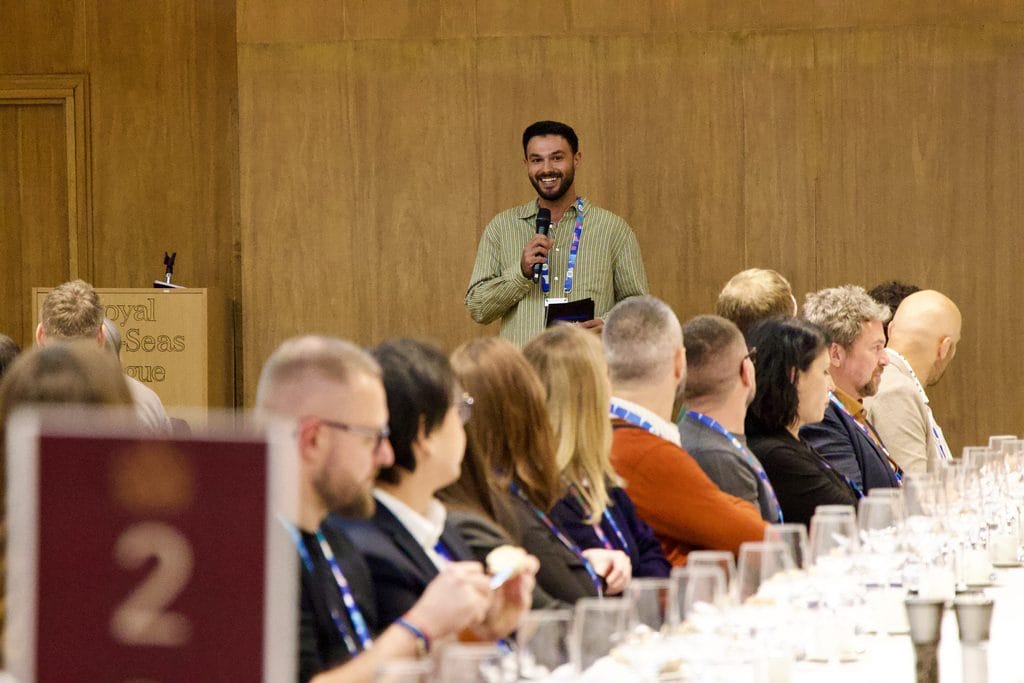

If the masterclasses were about understanding what the technology can do, the BuildLab was about proving it. Customers spent two days building with Phrase, Claude, and MCP across three tracks covering multilingual content generation, context-aware translation, and content validation.
Then they got on stage and showed the room what they’d made.
- A validation pipeline that checks linguistic assets against what translators have been approving in production, filters false positives with AI, and generates fix-by-fix reports for linguists.
- Agents that generate multilingual content with full context awareness.
- A complete design-to-translation pipeline in under 15 minutes.
By the end of day one, attendees from other sessions were asking to join. The closing demos were the highest-energy sessions in both cities.
“THIS is what keeps me in the industry.”
The BuildLab demonstrated something that’s easy to talk about in the abstract but hard to believe until you see it. People who aren’t engineers, who hadn’t built an integration before, were connecting AI agents to a language platform and producing working solutions in under two days.
Announcing a shared commitment to quality


We also used the Summit to launch Managed Outcomes with Vistatec. It’s a new way of working together. Customers define the standard their multilingual content needs to meet. Together, we combine technology and linguistic expertise with shared accountability for delivering it.
Rather than managing vendor outputs on a per-task basis, Managed Outcomes aligns everyone around a result. The technology handles what it can, linguists handle what requires human judgment, and the quality standard is the shared benchmark.
Comparing notes with peers


Working in localization can be an isolating role. Attendees spoke about having few colleagues who share their day-to-day responsibilities for global content. They don’t have someone to compare notes with when the pressure increases or the strategy needs to change.
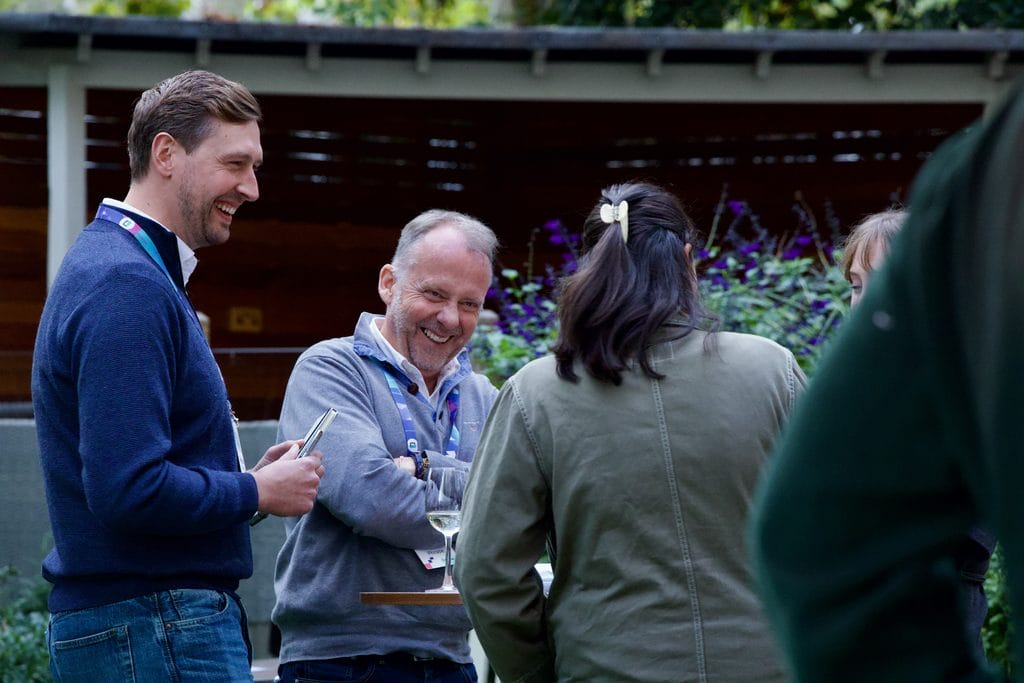
What came through at both events was how much it meant to be in a room with peers facing the same challenges, solving the same problems, and leaving with something to take back to their teams.
“Really validating to hear that teams at other companies are facing the same pressures.”
One attendee shared how much they valued the chance to connect with peers. Others said it was the first time they’d felt their work was understood by people outside their own organization.
“Human expertise remains a huge part of that conversation.”
That feedback, which came up in the context of AI adoption, also applies to the event itself. The conversations with peers were an important part of the experience, too.
What’s next
Customers shared their enthusiasm for where the industry is heading and the role they see Phrase playing in their plans.
“I am excited to see Phrase develop into a full language intelligence platform.”
“It is reassuring. Phrase as a partner continues to be the right choice.”
“Eye-opening about Phrase’s vision for the coming years.”
The first Phrase Summit confirmed what we’d been hearing from customers for a while. The industry is ready for this conversation, and there’s an appetite for a space where enterprise leaders can learn from each other, build together, and leave with more than just notes.
Photo gallery